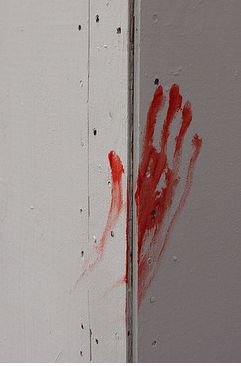
Ancient
tales of vampires later split into two modern mythic characters:
vampires and zombies. Movies characterize vampires and zombies as quite
different, yet tales from history tell of vampires with characteristics
of both: basically undead formerly-human monsters who want to eat
humans. An article at the Verge compares the nonfiction book
Rabid: A Cultural History of the World’s Most Diabolical Virus and the novel
World War Z: An Oral History of the Zombie War to show how the real disease rabies led to the vampire myth.
Spanish
physician Juan Gomez-Alonso explains four connections between rabies
and vampire myths in a 1998 Neurology journal article, the most obvious
being infection through the blood via bites. Rabies victims also often
suffer from facial spasms, lending them an animalistic appearance. The
third connection is the time frame: vampire lore had them living for
forty days before being turned, the same amount of time it usually takes
for the victim of a rabies attack to die after their initial bite. The
final connection is probably the most surprising: sex drive. The
insatiable sexual desire that’s a trademark of both traditionally gothic
and sparkly modern vampires can also be traced to rabies. Male rabies
victims often get involuntary erections and have spontaneous orgasms.
Unsurprisingly, this was not often spoken of outright, but was alluded
to in much of the early medical literature, with one eighteenth century
Austrian physician noting “his seed and his life were lost at the same
time.”
What's
really scary is that 55,000 people still die of rabies every year.
More


No comments:
Post a Comment