Carolina Naturally is read in 198 countries around the world daily.
Fiesta ... !

Some of our reader today have been in:
The Americas
Antioch, Mishawaka, Chippewa Falls, Coraopolis, North Weeki Wachee and Minnetonka, United States
Buenos Aires and Villa Maria, Argentina
Rio De Janeiro, Sao Paulo and Goiana, Brazil
Lima, Peru
Chatham,
Thunder Bay, britannia, Joliette, Sioux Lookout, L'ancienne-Lorette,
Ottawa, Waterloo, Vancouver and Saint John's, Canada
Luquillo, Puerto Rico
Santo Domingo, Dominican Republic
Mexico City, Mexico
Tipitapa, Nicaragua
Montevideo, Uruguay
Europe
Vantaa and Espoo, Finland
Velizy-Villacoublay and Deville-Les-Rouen, France
Cagliari, Ravenna and Ivrea, Italy
Oslo and Stavanger, Norway
Funchal, Portugal
Ryazan, Vladivostok and Gatchina, Russia
Hamburg and Berlin, Germany
Reykjavik, Iceland
Kent and Southampton, England
Sarajevo, Bosnia and Herzegovina
Bucharest, Romania
Amsterdam, Netherlands
Kongens Lyngby, Denmark
Madrid and Algeciras, Spain
Kista, Norrkoping, Sweden
Dublin, Ireland
Minsk, Belarus
Asia
Gampaha, Colombo and Kandy, Sri Lanka
Turkestan, Kazakhstan
Jerusalem and Tel Aviv, Israel
Bikaner, Kolkata, Bhubaneshwar, New Delhi, Powai, Agra, Delhi, Mumbai, Patna, Thiruvananthpuram, Coimbatore and Bangalore, India
La Dagotiere, Mauritius
Gaza, Palestine
Jakarta, Indonesia
Sibu and Kuala Lumpur, Malaysia
Male, Maldives
Doha, Qatar
Riyadh, Saudi Arabia
Africa
Cairo, Egypt
The Pacific
Brisbane and Sydney, Australia





 Many
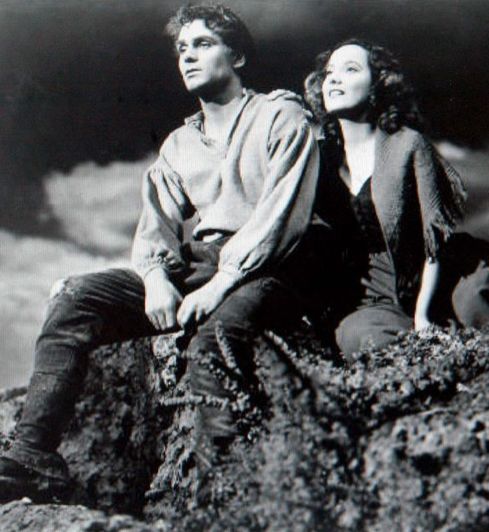
authors treat their main characters as the ideal, the person we all
dream of being. It’s as if the tiniest flaw would turn the reader off,
but at the same time, any character must have the appearance of
flaws to be at all believable. The pulpier the book, the more likely
the characters are to have these “pseudo-flaws,” but you’ve seen it in
classics, too. Personally, I prefer characters who more resemble folks
we really know, like Billy Pilgrim, who isn’t too smart and is shaped
like a bowling pin, or Shakespeare’s characters, who are so full of
themselves that they can’t see what’s coming. Mallory Ortberg brings us a
series of vignettes that condense the dialogue you’ve read to get to
the heart of this trope.
Many
authors treat their main characters as the ideal, the person we all
dream of being. It’s as if the tiniest flaw would turn the reader off,
but at the same time, any character must have the appearance of
flaws to be at all believable. The pulpier the book, the more likely
the characters are to have these “pseudo-flaws,” but you’ve seen it in
classics, too. Personally, I prefer characters who more resemble folks
we really know, like Billy Pilgrim, who isn’t too smart and is shaped
like a bowling pin, or Shakespeare’s characters, who are so full of
themselves that they can’t see what’s coming. Mallory Ortberg brings us a
series of vignettes that condense the dialogue you’ve read to get to
the heart of this trope.


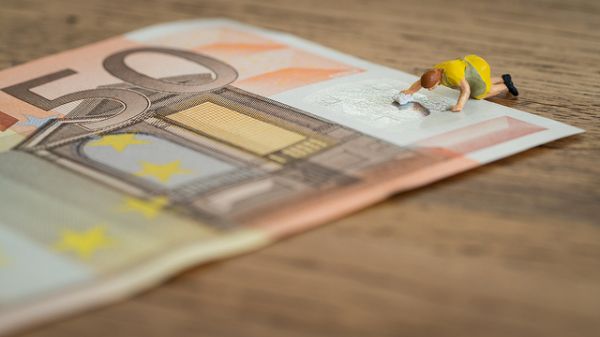



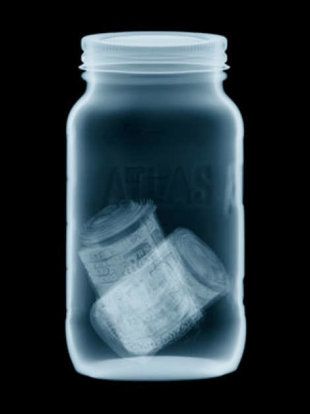
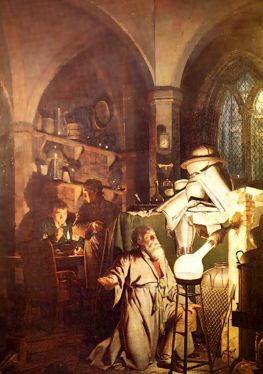 The
word “chemical” is often treated as a bad thing, as many commercial
interests want you to reject “chemicals” and “go natural.” As if the
natural world wasn’t made of chemicals. The two terms are not opposites.
The
word “chemical” is often treated as a bad thing, as many commercial
interests want you to reject “chemicals” and “go natural.” As if the
natural world wasn’t made of chemicals. The two terms are not opposites.