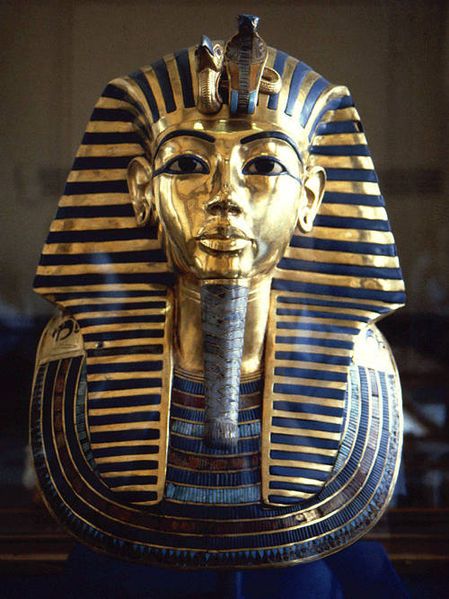
Lord
Carnarvon and Howard Carter discovered the tomb of King Tutankhamun in
Egypt in 1922. On March 24, 1923, novelist Marie Corelli warned him in
the press that bad things happen to those who desecrate tombs. Within
two weeks, Lord Carnarvon was dead from an infection brought on by a
mosquito bite he suffered just two days after Corelli's warning was
published. The mummy's curse caused it, of course.
The
idea of the mummy’s curse was already a popular story, but Carnarvon’s
demise (and Corelli’s apparent prediction of it) turned it into one of
the great legends of the age. Rumours quickly spread that Carter had
found warnings in the tomb itself. There were reports of a clay tablet,
allegedly found over the tomb’s entrance, that read: ‘Death shall come
on swift wings to whoever toucheth the tomb of Pharaoh.’ According to
the stories, Carter buried it in the sand in case it scared his
labourers into stopping their work. The whole situation was a gift for
journalists who, four months after the tomb’s discovery, were desperate
for more Tutankhamun-related news. Once the curse story took off, they
began running daily updates, roping in scholars to debate whether evil
spirits were to blame for Carnarvon’s demise.
In the
next twelve years, six of the people who were present when the tomb was
opened were dead. The mummy's curse? Not when you consider there were
forty people there, and they weren't all young and healthy. Curses
against grave-robbing had been around for a long time, and they were
particularly attached to mummies when modern archaeologist began to
exhume them. How many other mummies were unearthed with no dramatic
deaths? But the power of a good story propelled the mummy's curse into
popular consciousness.
Read how it happened at Aeon magazine.


No comments:
Post a Comment