
 A Florida man is in jail after deputies discovered his mother's
months-old remains on his living room couch, according to a Sheriff's
Office arrest report.
On May 13, a deputy was dispatched to a residence in Pace to check on
the welfare of 81-year-old Joyce Willis.
Willis' son, Michael
Eugene Sticken, 60, had reportedly been rebuffing
family members' attempts to call or visit his mother since January.
When the deputy arrived at the residence he immediately noticed a foul
odor. Upon entering the house, he found two couches pushed together
with blankets piled on top.
Under the blankets, the deputy found a female who was so badly decomposed as to be unrecognizable. The Medical Examiner's Office estimated that Willis' had been dead for between one and four months at the time of her discovery. The Medical Examiner's Office is working to determine her cause of death. In an interview with deputies, Sticken said he had not been responsible for his mother's death, calling her "his best friend," the report said.
By reviewing bank records, investigators found that Sticken had been making withdrawals from a joint bank account he shared with his mother. The only deposits made since January were Willis' monthly $1,400 Social Security payments, all of which had been withdrawn by Sticken. Investigators found significant cause to charge Sticken with grand theft and failure to report a death. He was booked into Santa Rosa County Jail on Thursday morning on $6,000 bond.





 As
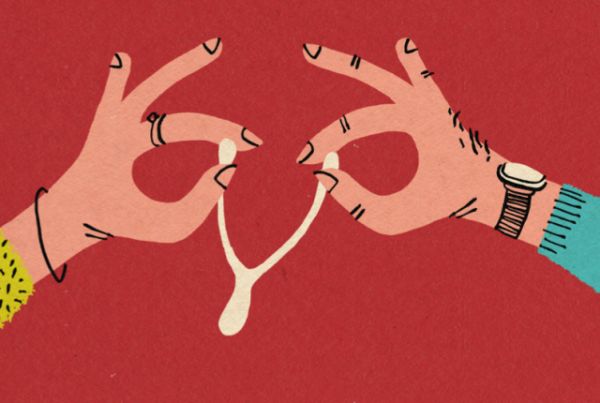
a species, we persuade ourselves that we can influence random events, a
fantasy psychologists call “the illusion of control.” Casino gamblers
throw dice more gently when they want lower numbers, according to one
study. In another, 40 percent of subjects believed they could get
better outcomes from tossing a coin the more they practiced. It’s
little wonder, then, that people sit up and listen when self-help gurus
claim to offer techniques for learning to be luckier. The good news is
that, in some sense, you really can “make your own luck.”
 ychologist
Richard Wiseman recruited subjects who thought of themselves as either
unusually lucky or unlucky. The self-described lucky ones, he
discovered, shared a set of behavioral traits that maximized their good
fortune. They were receptive to new experiences and invested time in
expanding their social and professional networks; when things went
wrong, they reminded themselves that things could have gone worse. By
focusing less on their goals, they actually accomplished those goals
more efficiently. In one experiment, Wiseman asked participants to
count the number of photographs in a newspaper. The unlucky people
diligently plodded through. The lucky ones were far more likely to spot
one of two messages Wiseman had inserted on the page. The first read
“Stop counting—there are 43 photographs in this newspaper.” The other
offered a $250 reward if the reader just asked the experimenter for the
cash.
 Uncertainty
feels uncomfortable, so we’re tempted to do whatever we can to get rid
of it. But learning to tolerate it instead will bring you better luck.
Writer Karla Starr refers to this as “structured serendipity.” Don’t
abandon your daily schedule, she advises, but make sure it includes
chances for unexpected things to happen. Spend an hour wandering a
bookstore; invite a random acquaintance for coffee. On social media,
follow some people whose enthusiasms you don’t already share. Leave
extra time for errands, to permit spontaneous detours en route.


